The Death of Imagination? Why Books Beat AI for Kids
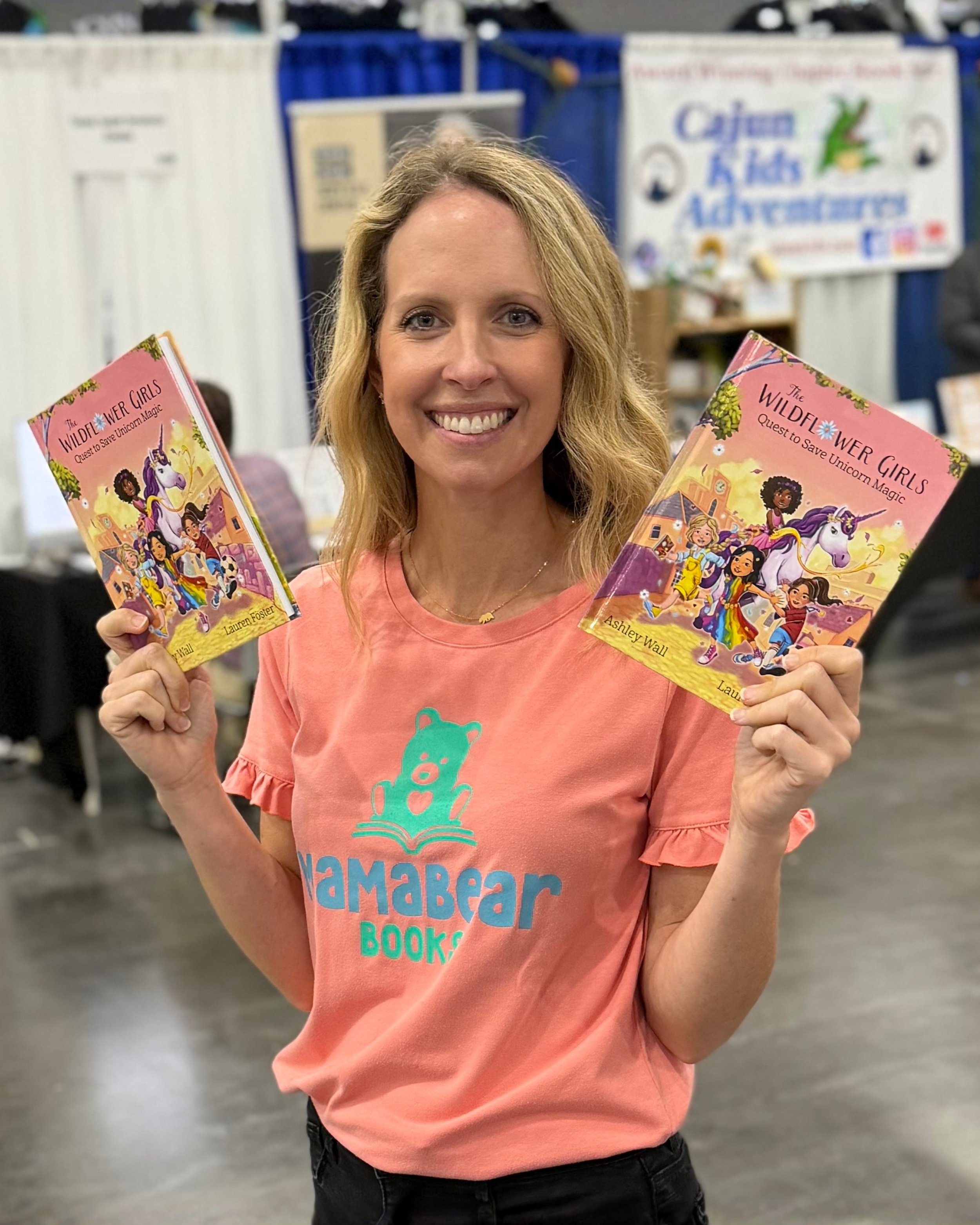
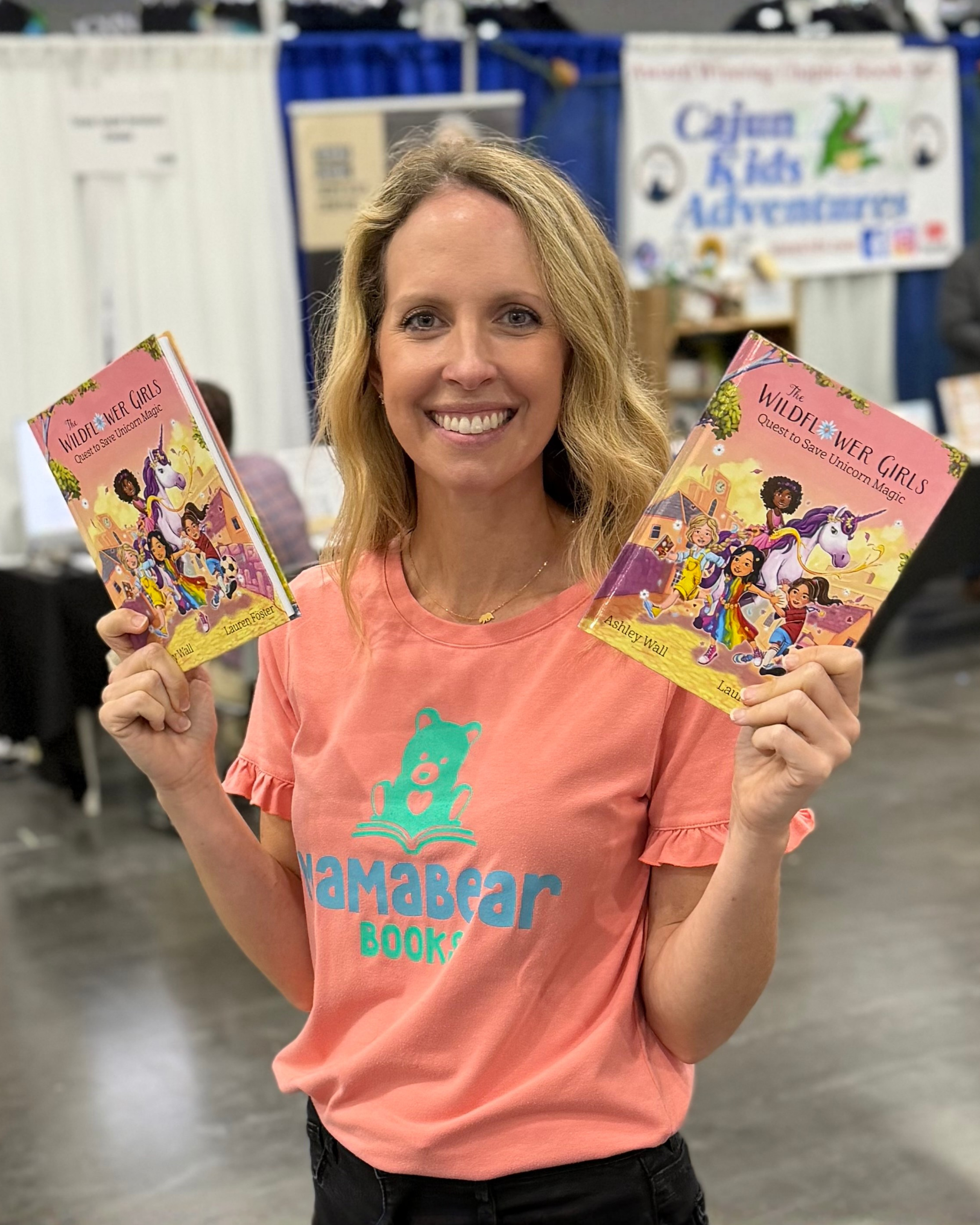
An Interview with Ashley Wall, Publisher of MamaBear Books & Award-Winning Author
"A child who can imagine, is a child who can change the world!" - MamaBear Books
Interview Questions:
1. The recent federal advisory has renewed conversations about children’s screen use and well-being. As a former educator and author, what have you observed about how screens may be shaping children’s attention and relationship with reading?
As a former teacher, I have watched attention spans gradually change over the years. Many children became more accustomed to constant stimulation and immediate entertainment, which can make slowing down with a book feel more challenging at first. Students wanted the answer immediately with less ability to sit and think about the problem. Reading invites children to imagine, predict, wonder, and stay with a story long enough to discover what's next. Those are muscles that grow stronger with practice.
As both an educator and a mom, I don't believe screens are the enemy. Technology has incredible benefits. The key is balance. Children also need opportunities to be bored, to imagine, to create, and to experience stories that require them to become active participants rather than passive consumers. That's one of the reasons I'm so passionate about books. Every time a child reads, they're building attention, curiosity, empathy, and imagination in ways that carry far beyond childhood.
2. Many parents worry that children have less time for imaginative play than previous generations. As a mother and storyteller, why do you think protecting space for imagination still matters?
I often say that a child who can imagine is a child who can change the world.
Imagination isn't just about pretending to be a pirate or discovering unicorns. It's where creativity, confidence, resilience, and problem-solving begin. It's where children learn to ask "What if?" before they're ever asked to solve real-world problems.
As a mom, I see how quickly childhood seems to move today. Kids are exposed to comparison, social pressures, and expectations at younger and younger ages. My hope is to help protect a little more of the wonder that childhood should be filled with. When children build forts, invent adventures, or lose themselves in a story, they're doing far more than playing. They're developing the creativity they'll one day use to innovate, lead, and navigate challenges with confidence.
That's really the heart behind everything I write. I want to help kids stay kids a little longer.
3. Many parents want to reduce screen time but aren't always sure what to replace it with. How can books become a natural bridge to more creativity, curiosity, and meaningful family connection at home?
One of the beautiful things about books is that they don't end when you close the cover.
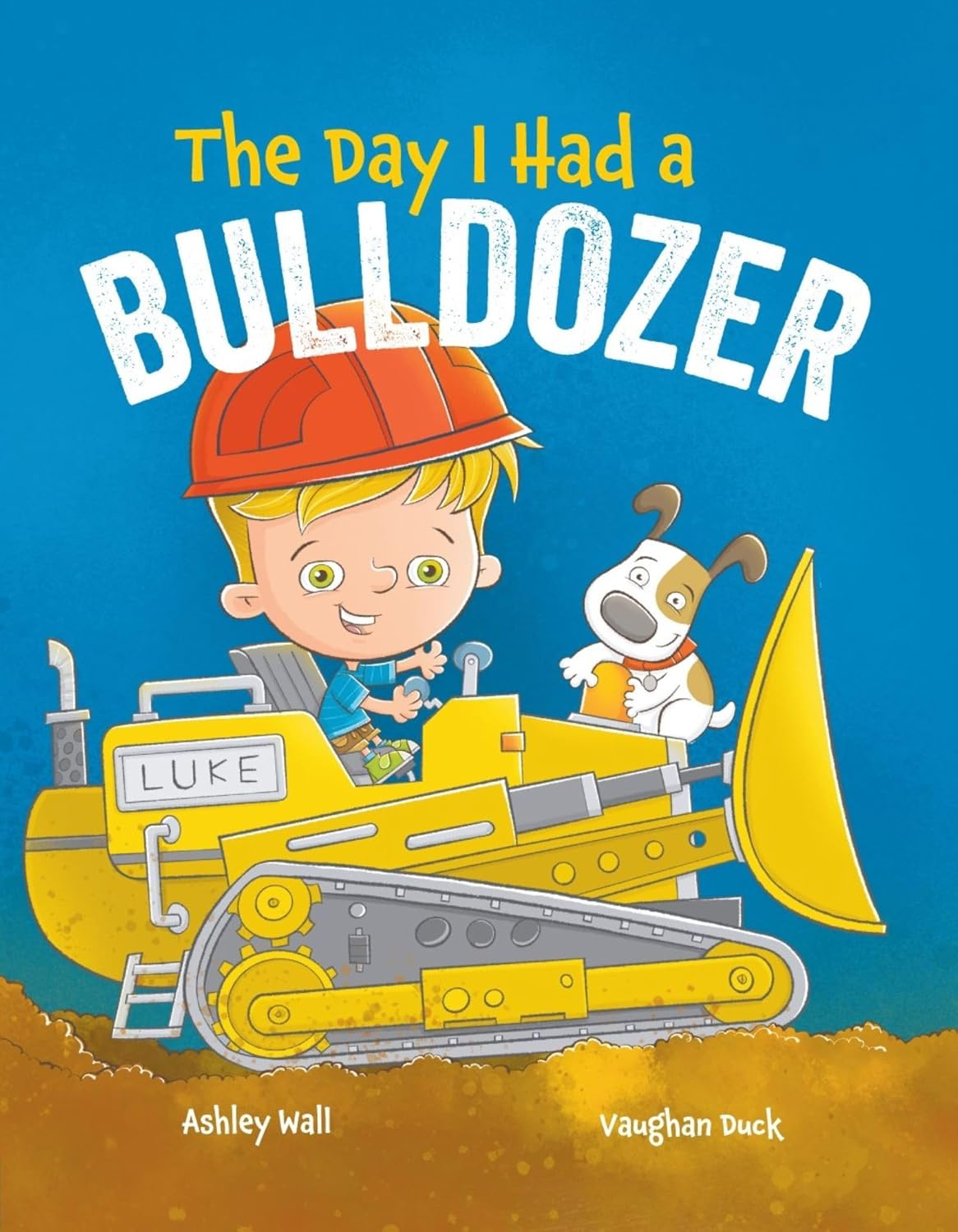
A story naturally leads to conversations, imaginative play, drawing, building, asking questions, acting out scenes, or creating brand-new adventures together. After reading one of our The Day I Had books, children often invent their own "Day I Had..." stories. They'll imagine having a dragon, a submarine, a rocket, or a zoo of their own. That's imagination taking off beyond the pages.
Families don't have to create elaborate activities either. Reading together before bed, asking, "What would you do?" or "What do you think will happen next?" can create meaningful conversations and memories that last far longer than the book itself.
I recommend having a stack of books in each room of the house. Parents will be surprised how often kids will go to those stacks. If screens aren’t an option, it is quite amazing what kids can come up with. We have implemented a rule that there are no screens during the week. We save them for Saturday mornings, the occasional movie night, and airplane travel. At first my kids grumbled, but now it’s the norm. They know what to expect and they find something else to do.
Books aren't simply replacing screen time, they're opening the door to creativity, curiosity, and connection. Books, empty boxes, a bin of crayons, even at six and seven, my kids will create an entire activity or world with the most random things, and I thank books and less screentime for this.
4. Stories often stay with us long after we've finished reading them. Can you think of a time when a MamaBear Books title helped a child see themselves differently, or helped them believe they could do something they hadn't imagined before?
One of my favorite moments happened during a library visit after I read The Day I Had a Bulldozer. Without any prompting, several children immediately began creating their own "The Day I Had..." adventures. They weren't retelling my story, they were imagining their own.
As an author, that's one of the greatest compliments I can receive because it means the story sparked something inside them.
I've also heard from parents and teachers whose children suddenly wanted to read more books about dinosaurs, construction equipment, animals, or space after finishing one of our stories. Curiosity is contagious.
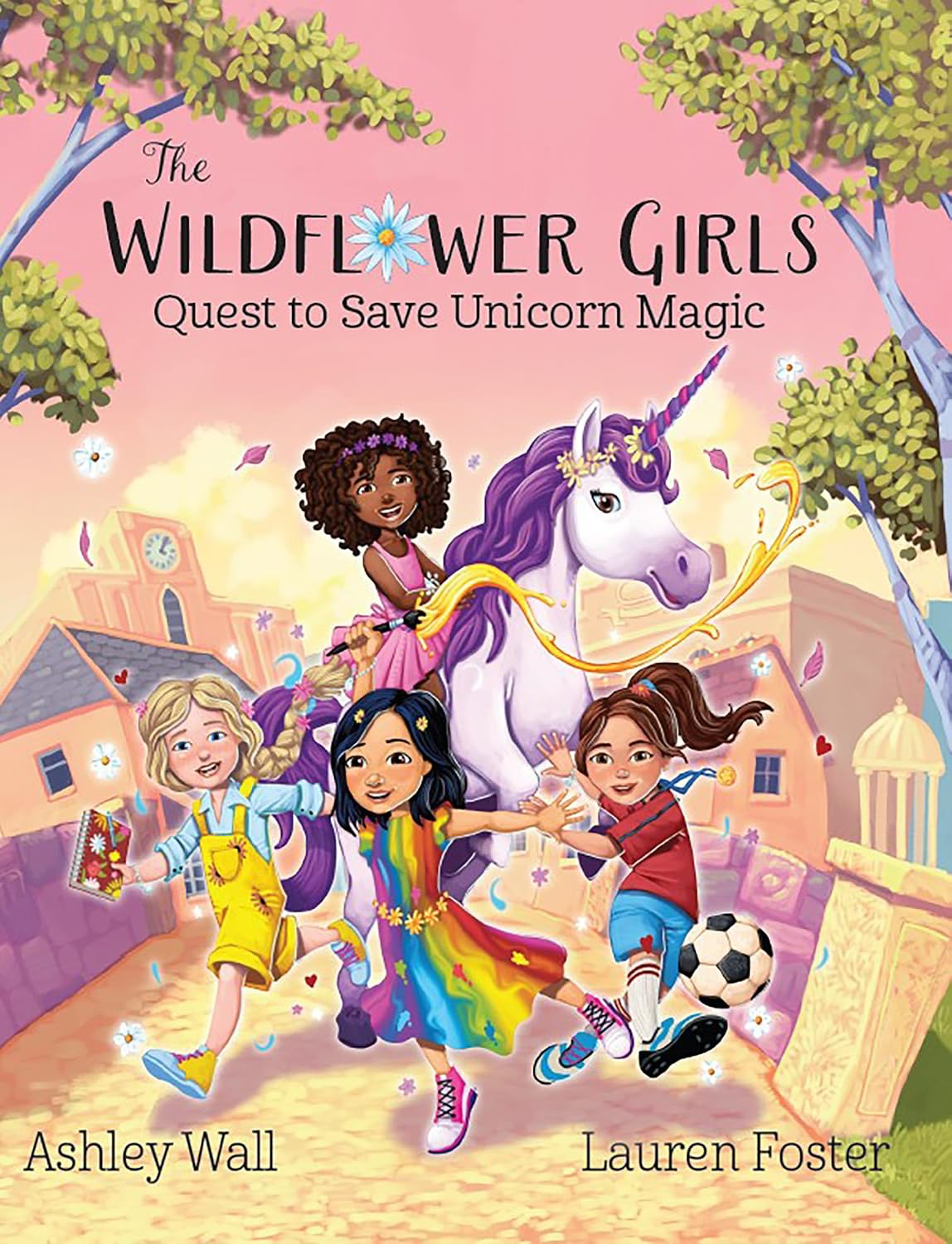
With The Wildflower Girls, parents have shared how their child has been so engaged in the story that their reluctant reader is willing to practice reading on their own in order to keep reading the story.
Within The Wildflower Girls, every girl has unique gifts, and when they encourage one another instead of competing, everyone becomes stronger. If a child finishes the book believing she is brave, capable, and enough exactly as she is, then the story has done what I hoped it would do.
5. In a recent Publishers Weekly essay, you shared your concerns about a social media-driven culture that often encourages girls to grow up too quickly and the importance of preserving childhood. How did those ideas shape The Wildflower Girls, and why does the book feel especially timely for families thinking about unplugging and more intentional time away from screens?
The Wildflower Girls grew directly out of the concern that young girls are growing into comparison and self-doubt much earlier than ever before.
As I watched my own daughter growing up, I found myself thinking about how quickly childhood seems to be shrinking. Little girls are often introduced to comparison, appearance, and outside validation earlier than ever before. Those outside voices can quickly become their inner voice. I noticed this not just on screens, but in many of the chapter books she would bring home.
There would usually be a positive resolution at the end, but for nine chapters she was filling her head with rude language and attitudes beyond what a six- or seven-year-old needs to hear. What we flood our minds with becomes our voice and our inner thoughts.
I wanted to write a story that moved in the opposite direction.
Instead of teaching girls to compete for attention, The Wildflower Girls celebrates imagination, kindness, courage, and the idea that every girl has something uniquely beautiful to offer. The magic in the story doesn't come from being the smartest, strongest, or most popular. It comes from working together, believing in yourself, and lifting others up.
And it doesn’t have to break someone down along the way to figure it out. These lessons can be taught in an uplifting adventure that keeps kids engaged in reading while flooding their minds with positive talk.
In many ways, the book offers families an invitation to slow down. To curl up together with a story. To imagine magical worlds where kindness, teamwork, and friendship take center stage. To create memories, have conversations, and remind children that the greatest adventures don't always happen on a screen.
My mission has never been simply to write books. It's to help preserve the wonder of childhood, inspire imagination, and remind children that their greatest strength comes from believing in who they already are. I think that's a message families need now more than ever.
______________________
About Ashley
Ashley Wall, M.Ed spent years as a middle school math teacher and has a passion for expanding opportunities in under-resourced inner-city school communities, having seen firsthand how engaging, affirming books can shape a child’s confidence, curiosity, and sense of possibility. As both an educator and a mother to two kids, she founded MamaBear Books with the intention of creating beautiful literature that sparks imagination, encourages empathy, and fosters a lifelong love of reading, with particular attention to accessibility in early childhood. At the heart of the press’s mission is the belief that a child who can imagine is a child who can change the world. She is the award-winning author of The Day I Had... series and founder of MamaBear Books, a company she built after setting out to write her first children’s book. Ashley's books have been reviewed by Kirkus, Midwest Book Review, Booklife, and she has appeared as a businesswoman on Chatting with Chelsea, Texas Today, Studio 512, and more. Ashley's forthcoming titles, rooted in imaginative growth, are The Wildflower Girls 1, a chapter book, and the next installment in her picture book series, The Day I Had a Zoo.
Ashley’s Author Instagram | Ashley’s Author Website
About MamaBear Books
MamaBear Books is a boutique children’s book publishing company founded in 2022 by former educator Ashley Wall and her husband, Jeff Wall. Headquartered in the Austin, Texas area, the traditional publisher specializes in imaginative picture books, chapter books, and board books that foster creativity, emotional resilience, and confidence.
MamaBear Books| Instagram | Facebook | Amazon | Goodreads | Linkedin